
How to enable greater personalization in a world of impersonal experiences
A new article on Martech.org reports that marketing personalization can offer brands a competitive advantage by creating more engaging customer experiences.
Brands make more contacts with customers than ever before. The average number of touches during the buying process grew from two in 2006 to six in 2021, according to Butler. However, this leaves plenty of room for less than optimal experiences. To address the problem of impersonal customer experiences, marketers need to place a renewed emphasis on personalization in their campaigns. Nina Butler is Director of Event Experience at Alyce:
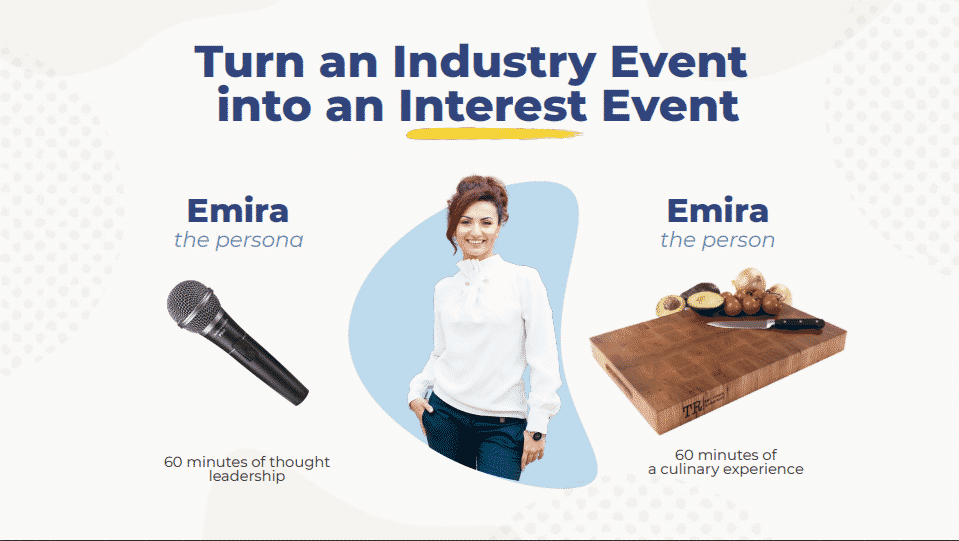
Deliver "interest" events to customers
"The next time you go to plan a 60-minute thought leadership webinar or a small intimate roundtable, consider pairing it with an interest-based activity," said Butler. As an example, Butler discussed how her company hosted an event that had both business and kid-friendly content featured in separate sessions. Catering to employees with children in this way allowed attendees to be their whole selves at work. The company listened to its employees' interests and then centered their entire corporate event around them. Butler says marketers can do the same thing with their customers to foster engagement.
Move from persona-based to person-based
Butler highlighted the differences between "persona-based" marketing and "person-based" engagement using a fictional person named Tracy. This woman serves as the chief information officer for an enterprise and, in her spare time, loves to collect comic books. Most brands would focus primarily on Tracy's "persona" role (CIO of a large company) but neglect the "person" aspects (her love of comic books). As a result, her inbox may be "filled with generic and impersonal touches that were automated based on some segmentation rules around her persona."

Customer data platforms
Customer data platforms, or CDPs, have become more prevalent than ever. These help marketers identify key data points from customers across a variety of platforms, which can help craft cohesive experiences. They are especially hot right now as marketers face increasing pressure to provide a unified experience to customers across many channels. Cisco's Annual Internet Report found that internet-connected devices are growing at a 10% compound annual growth rate (CAGR) from 2018 to 2023. COVID-19 has only sped up this marketing transformation. Technologies are evolving at a faster rate to connect with customers in an ever-changing world. Each of these interactions has something important in common: they're data-rich. Customers are telling brands a little bit about themselves at every touchpoint, which is invaluable data. What's more, consumers expect companies to use this information to meet their needs.
Creative connecting video experiences
"Folks who are using relevant videos, especially on these custom landing pages, are seeing upwards of 86% increase on those page conversions," Butler said. "Video helps convey who you are as a person that appeals to people in real ways." Personalized videos, when done correctly, can show customers that brands care about their wants and needs. "Video is an underutilized tool to help establish personal moments for people," she said.

"What your brand does with video tells your prospects more than just the story of your product; it also tells the story of your brand. Most brands use video to talk to their prospects about their products and goods and services." However, marketers shouldn't focus entirely on video in the personalization process. It's just one part of the customer journey, and it should function as so. "Your video strategy should not talk at your prospects about your solutions, she said. "It should be talking with your prospects about what's interesting or top-of-mind for them in the moment."
Brands make more contacts with customers than ever before. The average number of touches during the buying process grew from two in 2006 to six in 2021, according to Butler. However, this leaves plenty of room for less than optimal experiences. To address the problem of impersonal customer experiences, marketers need to place a renewed emphasis on personalization in their campaigns. Nina Butler is Director of Event Experience at Alyce:
Deliver "interest" events to customers
"The next time you go to plan a 60-minute thought leadership webinar or a small intimate roundtable, consider pairing it with an interest-based activity," said Butler. As an example, Butler discussed how her company hosted an event that had both business and kid-friendly content featured in separate sessions. Catering to employees with children in this way allowed attendees to be their whole selves at work. The company listened to its employees' interests and then centered their entire corporate event around them. Butler says marketers can do the same thing with their customers to foster engagement.
Move from persona-based to person-based
Butler highlighted the differences between "persona-based" marketing and "person-based" engagement using a fictional person named Tracy. This woman serves as the chief information officer for an enterprise and, in her spare time, loves to collect comic books. Most brands would focus primarily on Tracy's "persona" role (CIO of a large company) but neglect the "person" aspects (her love of comic books). As a result, her inbox may be "filled with generic and impersonal touches that were automated based on some segmentation rules around her persona."
Customer data platforms
Customer data platforms, or CDPs, have become more prevalent than ever. These help marketers identify key data points from customers across a variety of platforms, which can help craft cohesive experiences. They are especially hot right now as marketers face increasing pressure to provide a unified experience to customers across many channels. Cisco's Annual Internet Report found that internet-connected devices are growing at a 10% compound annual growth rate (CAGR) from 2018 to 2023. COVID-19 has only sped up this marketing transformation. Technologies are evolving at a faster rate to connect with customers in an ever-changing world. Each of these interactions has something important in common: they're data-rich. Customers are telling brands a little bit about themselves at every touchpoint, which is invaluable data. What's more, consumers expect companies to use this information to meet their needs.
Creative connecting video experiences
"Folks who are using relevant videos, especially on these custom landing pages, are seeing upwards of 86% increase on those page conversions," Butler said. "Video helps convey who you are as a person that appeals to people in real ways." Personalized videos, when done correctly, can show customers that brands care about their wants and needs. "Video is an underutilized tool to help establish personal moments for people," she said.
"What your brand does with video tells your prospects more than just the story of your product; it also tells the story of your brand. Most brands use video to talk to their prospects about their products and goods and services." However, marketers shouldn't focus entirely on video in the personalization process. It's just one part of the customer journey, and it should function as so. "Your video strategy should not talk at your prospects about your solutions, she said. "It should be talking with your prospects about what's interesting or top-of-mind for them in the moment."
Lightin' fuses is for blowin' stuff togethah.